Introducing Apple UI Insider
A new newsletter that draws every picture twice, once with a clean-room renderer, once with Apple's own frameworks, and publishes what's different
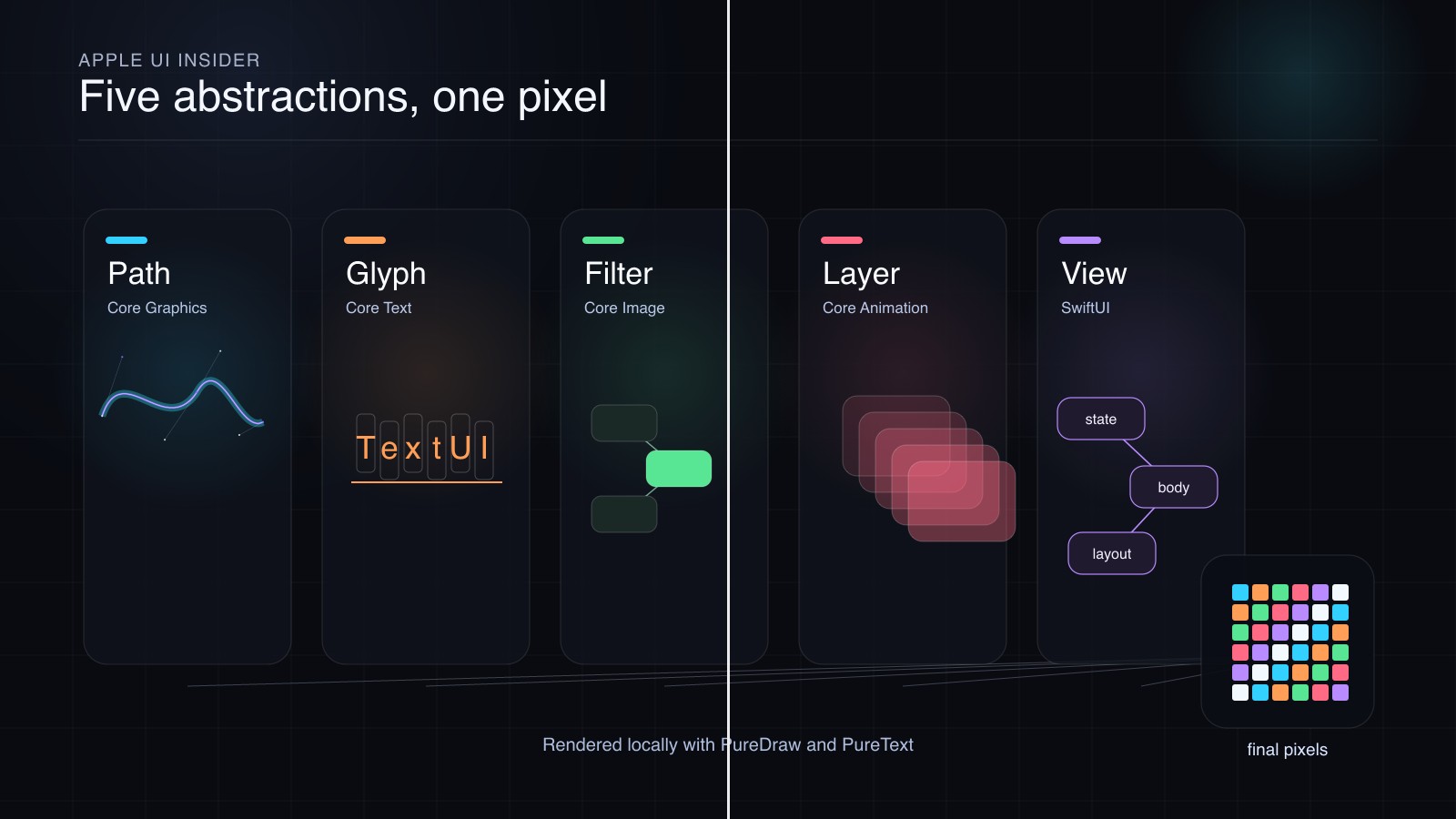
A new newsletter that draws every picture twice, once with a clean-room renderer, once with Apple's own frameworks, and publishes what's different

SwiftUI's iOS and macOS 3D is per-view projected 2D output composited by painter's order, with no shared-space depth-sorted hierarchy, and the APIs that would fix it are visionOS-only, proven with a rendered counterexample and four executable witnesses

GitHub made my work disappear, put a broken machine gate in front of appeal, and gave me no human path back

Cupertino v1.4.2 moves the working Homebrew tap and binary distribution to Codeberg, with setup assets served from Fly.

How I prove a from-scratch SwiftUI engine is correct by holding it against real SwiftUI in 125 differential tests, with the actual code, the harness, the firewall, and the floating-point floor that makes agreement mean identical
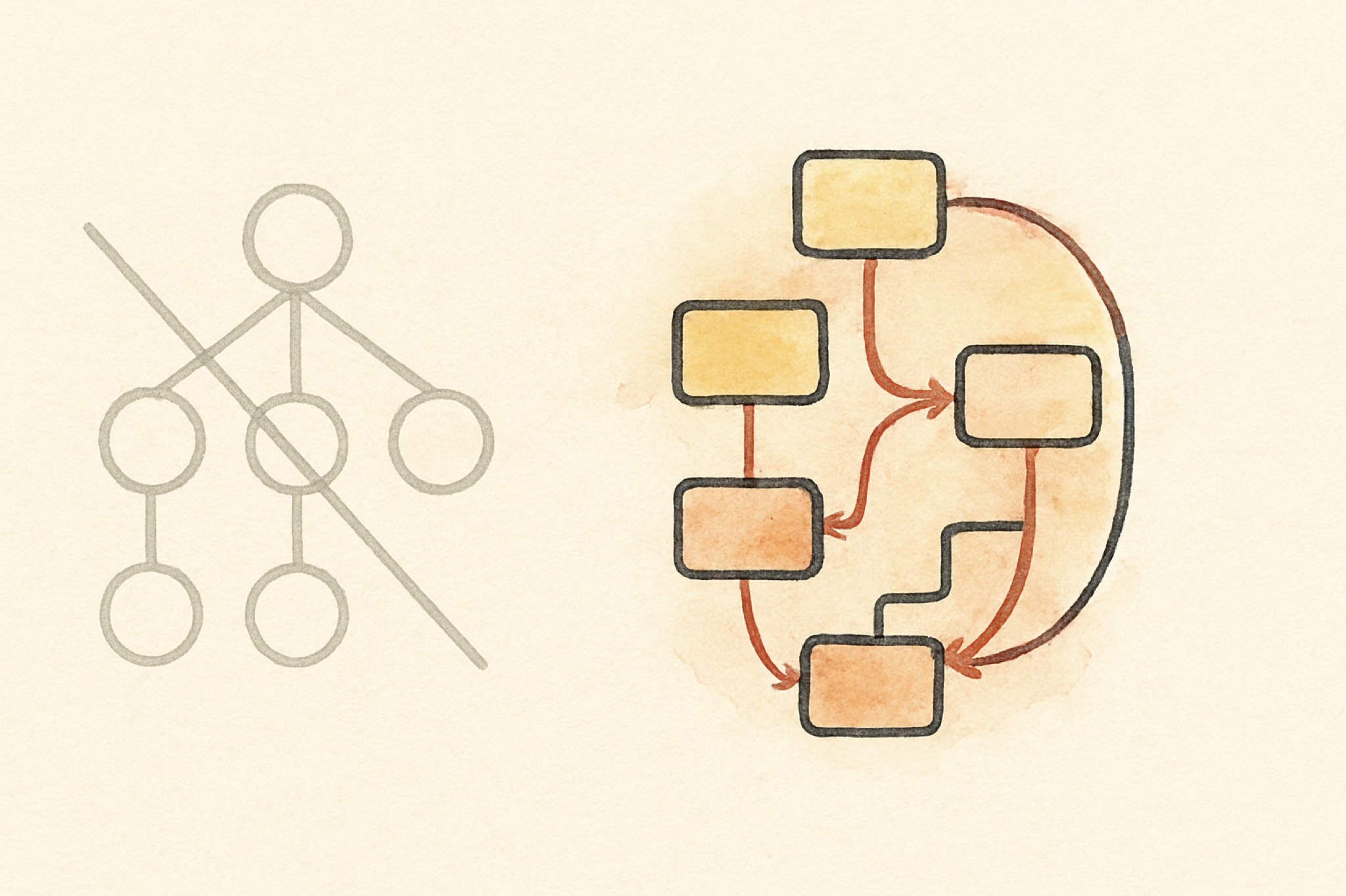
SwiftUI is the thin graph sitting above 40+ years of engineering. Measured against the real framework and read against Apple's own patent, it is a single demand-driven graph, and the least remarkable engine in the stack it rests on. Here is SwiftUI laid bare, with a hint of the far more interesting machines underneath.

Apple's new frameworks and sample code read like a brief, and Cupertino v1.4.0 puts the whole signal offline

How an autonomous bounty bot opened a pull request that repointed a core dependency to a fork it controlled

How a pile of repeated corrections became the rulebook I load into every coding agent, and what writing it down taught me about my own code
Most validation code is one giant function that walks a tree and appends to an error array through a forest of if statements. OpenAPIKit showed me a better way, a validation is a small composable value, the description states the correct state, and every error already knows where it lives

Four of my Swift projects run right now on macOS, Linux, Windows, and inside the browser. A static site generator, a Markdown to PDF engine, a YAML parser, and a 2D vector graphics engine, all pure Swift, all with CI proving every platform on every push.

A pure-Swift Markdown to PDF engine compiled to WebAssembly, with a live in-browser playground

I already had a static site generator I liked, right up until I wanted diagrams, charts, a per-article PDF, real math, and a path to dynamic content. So I built one around a typed tile model, and this post is built by it.
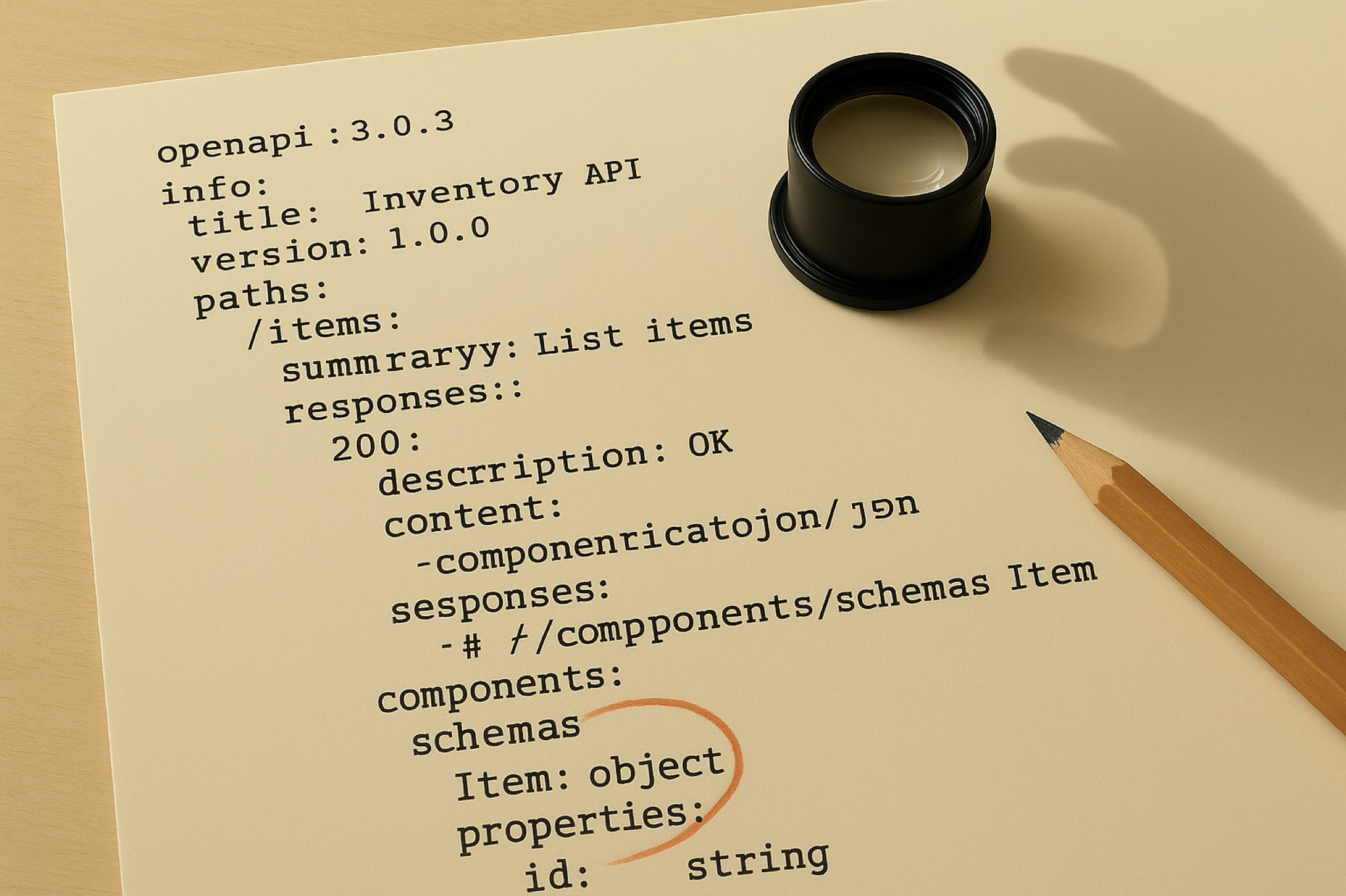
A first compiler-grounded check of whether OpenAPIDoctor can become a local-first browser tool.
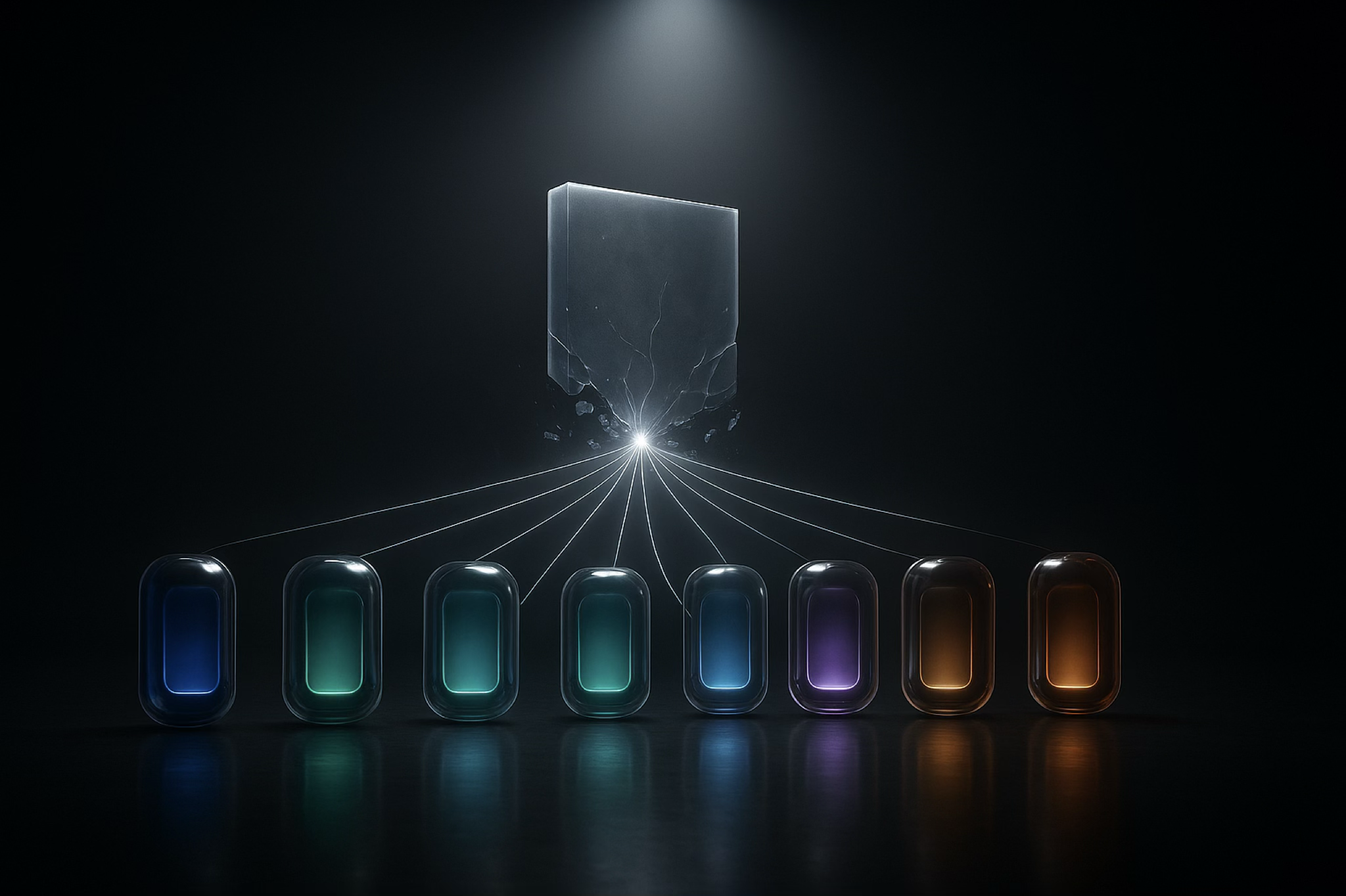
v1.3.0 is the architecture release: eight per-source databases derived from one registry, shipped read-only, with the legacy unified search.db retired for good.
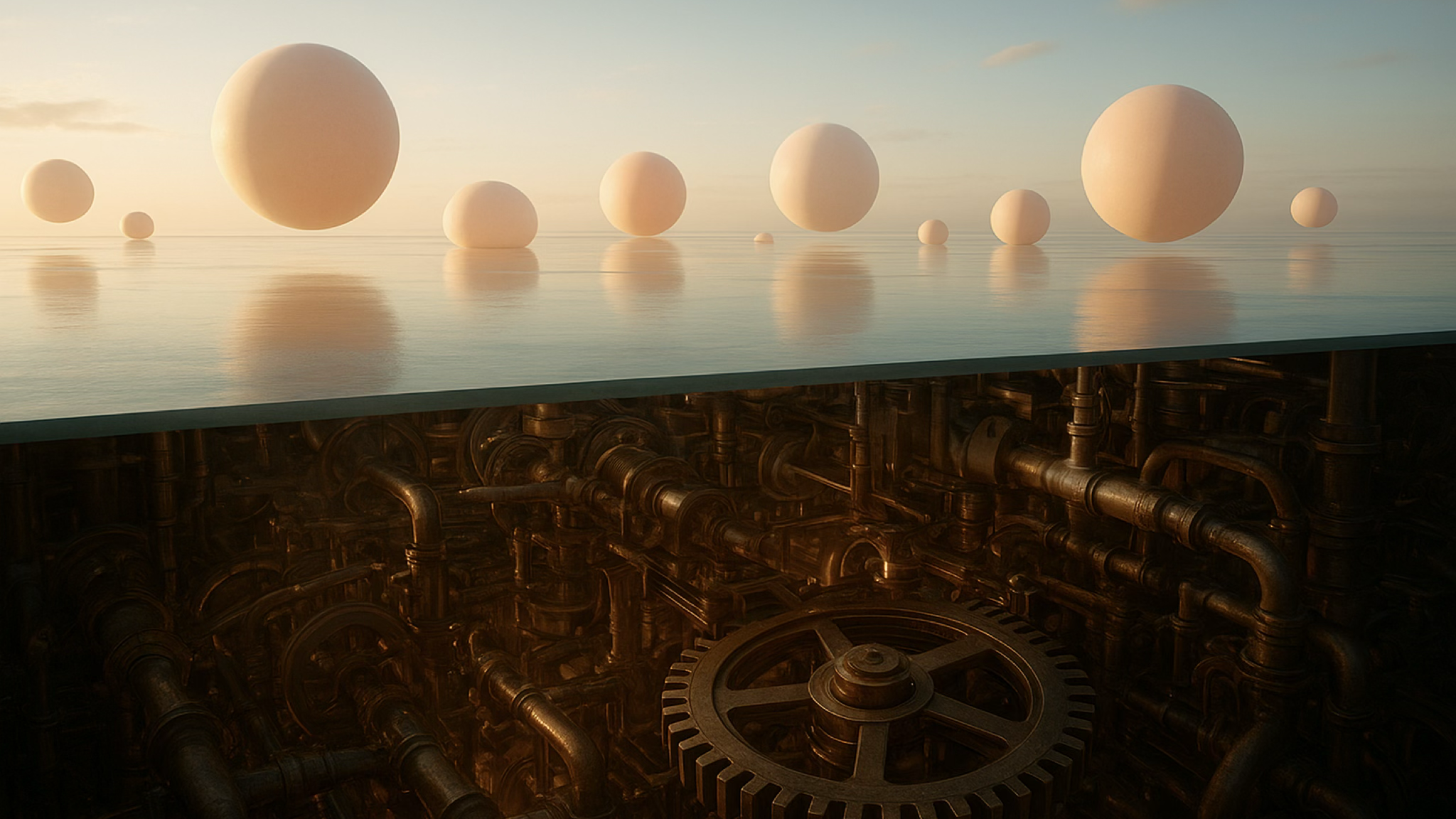
The cynical read is that Apple kept the real tools and handed us toys. But the same engineer built Core Animation in 2007 and co-built SwiftUI in 2019, and that one fact says the opposite. On why the foundation never left, and the debt that comes due the day the abstraction breaks.

Search-quality release. AI coding assistants now land the right Apple documentation page on the first try 9 times out of 10, up from 5 out of 10 in v1.1.0. Cross-validated on three independent corpora, zero regressions. The architecture, and what it still gets wrong, in writing.
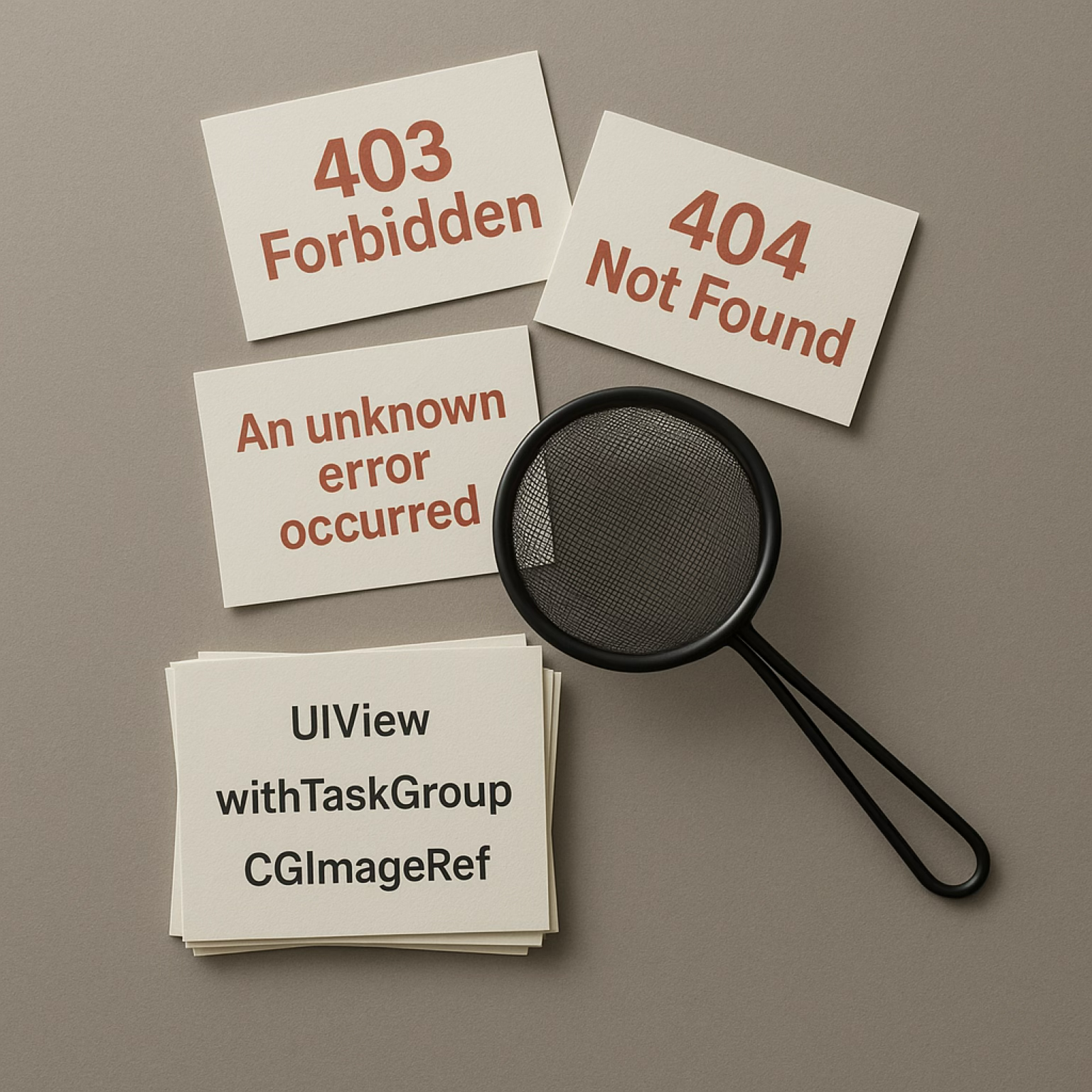
A 3 a.m. SQL query found one row of HTTP poison in the search index. Pulling on that thread unraveled 13 ways Apple's CDN lies to crawlers, plus a release bug where the binary cheerfully downgraded every user to the previous bundle.
OpenAPIKit's strict parser meets real-world specs. A typed diagnosis CLI with auto-repair, proven across 594 YAML files.
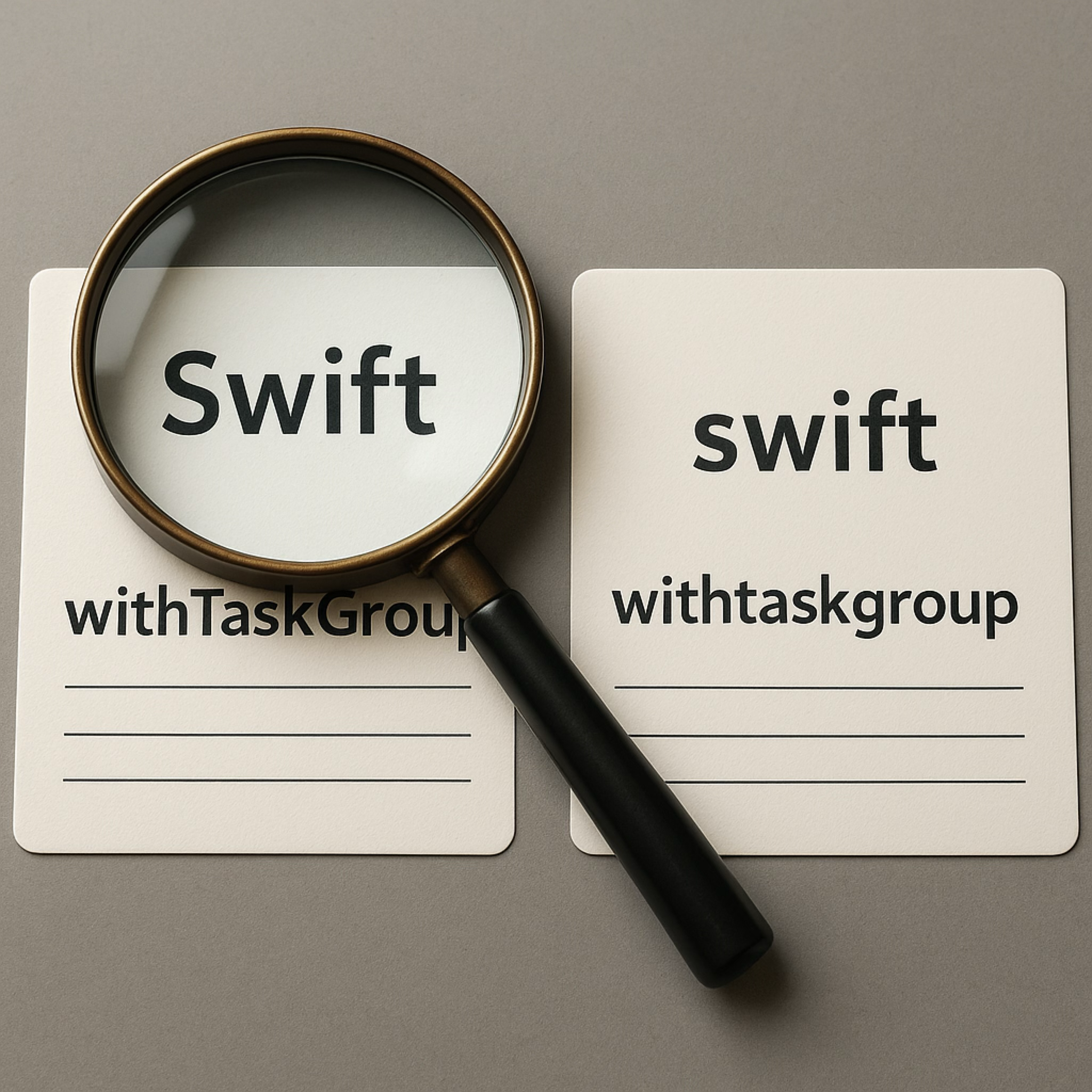
A third of the search index was the same Apple page indexed twice. The verification query that "proved" it wasn't could not have seen the bug. What v1.0.2 ships, and three takeaways from the audit.

First release stable across crawl, index, rank, serve, and distribute. Search that finally returns the right answer, one bundle, MCP spec 2025-11-25.

307 frameworks, 302,424 docs, Agent Skills, Claude Code plugin, and the first community PRs.
A Swift daemon that turns iMessage into a remote terminal for Claude Code
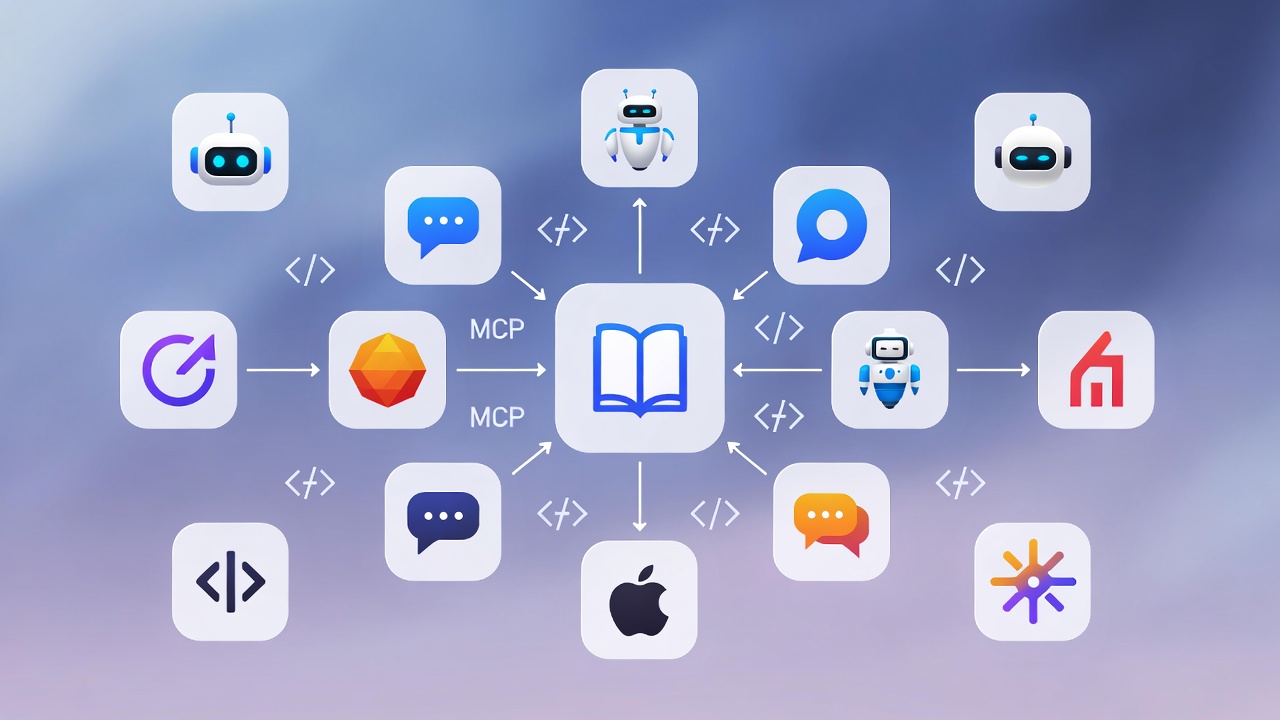
Cupertino now works with OpenAI Codex, Cursor, VS Code Copilot, Zed, Windsurf, and opencode. Plus MCP protocol upgrade to 2025-06-18.
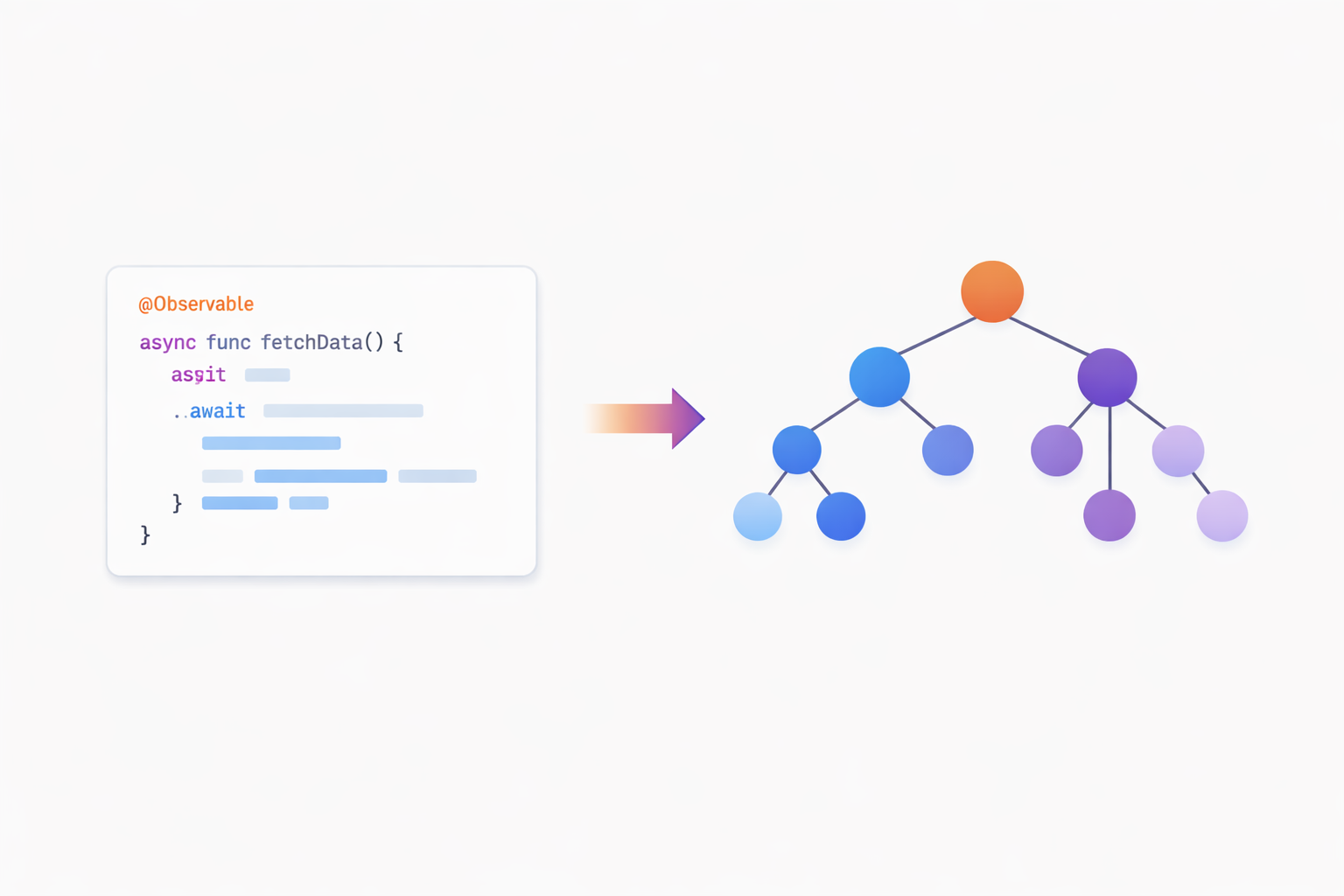
SwiftSyntax enables semantic code search. A deep refactoring of the codebase delivers cleaner results and better AI capabilities.
The complete Apple documentation crawl is done. Now you can filter by iOS 17+ and Claude finally knows where to look for answers.
The biggest documentation update yet - nearly double the docs, plus what's coming next for the Apple documentation MCP server.
New features for Apple documentation search, plus a cautionary tale about release processes and why order matters when tagging.
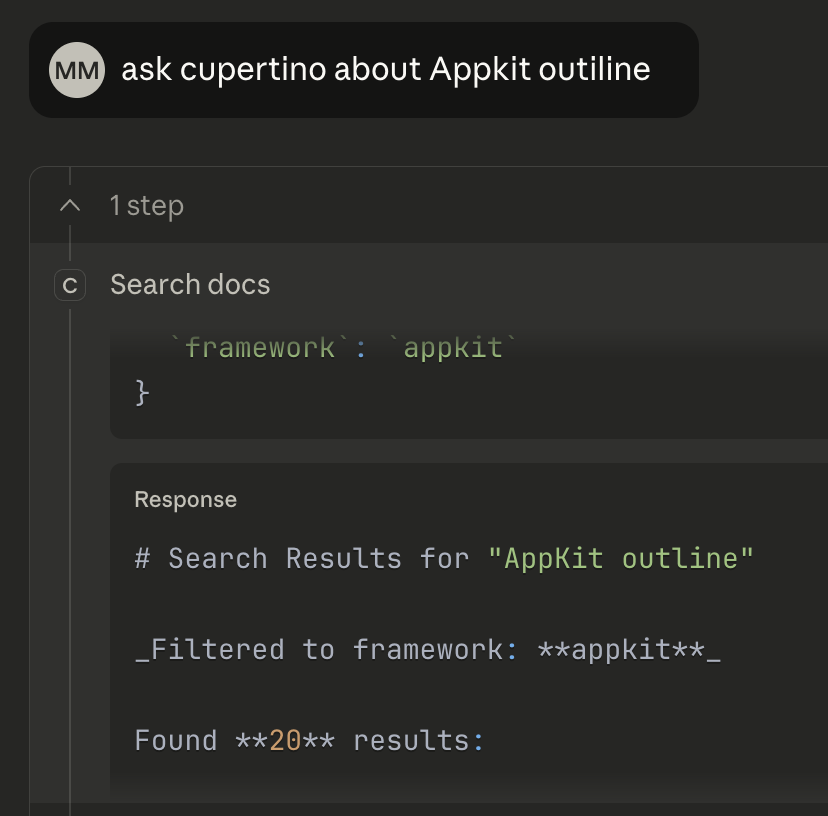
Install Cupertino with a single command - signed, notarized, and ready in seconds. Now with 150,000+ Apple documentation pages.
The new setup command downloads pre-built databases instantly - no more crawling Apple's documentation for hours
From MCP server to a complete Apple documentation ecosystem with pre-crawled docs and 606 sample projects
An MCP server that gives Claude Desktop offline access to 22,000+ Apple documentation pages

Elegant, Thread-Safe Authentication for OpenAPI Runtime
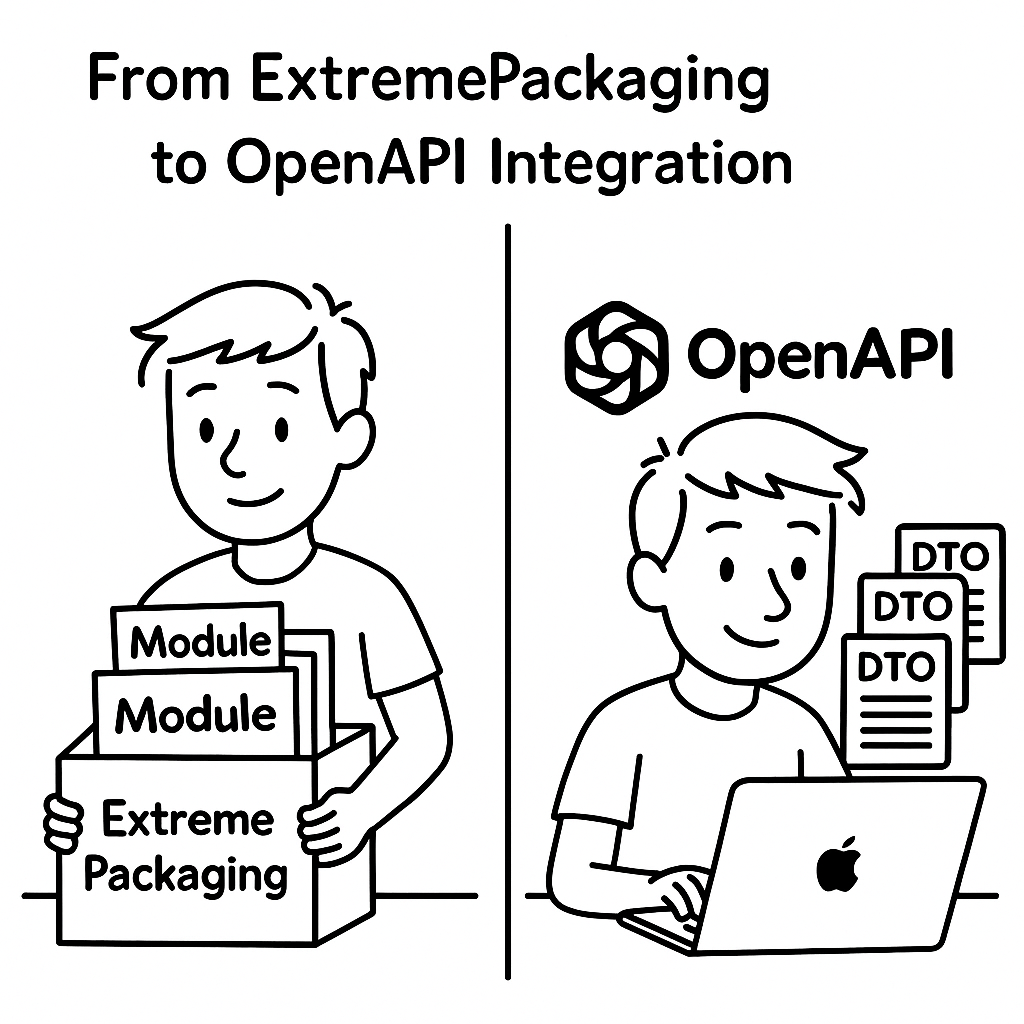
Building a Full OpenAPI Workflow on Top of the Extreme Packaging Architecture
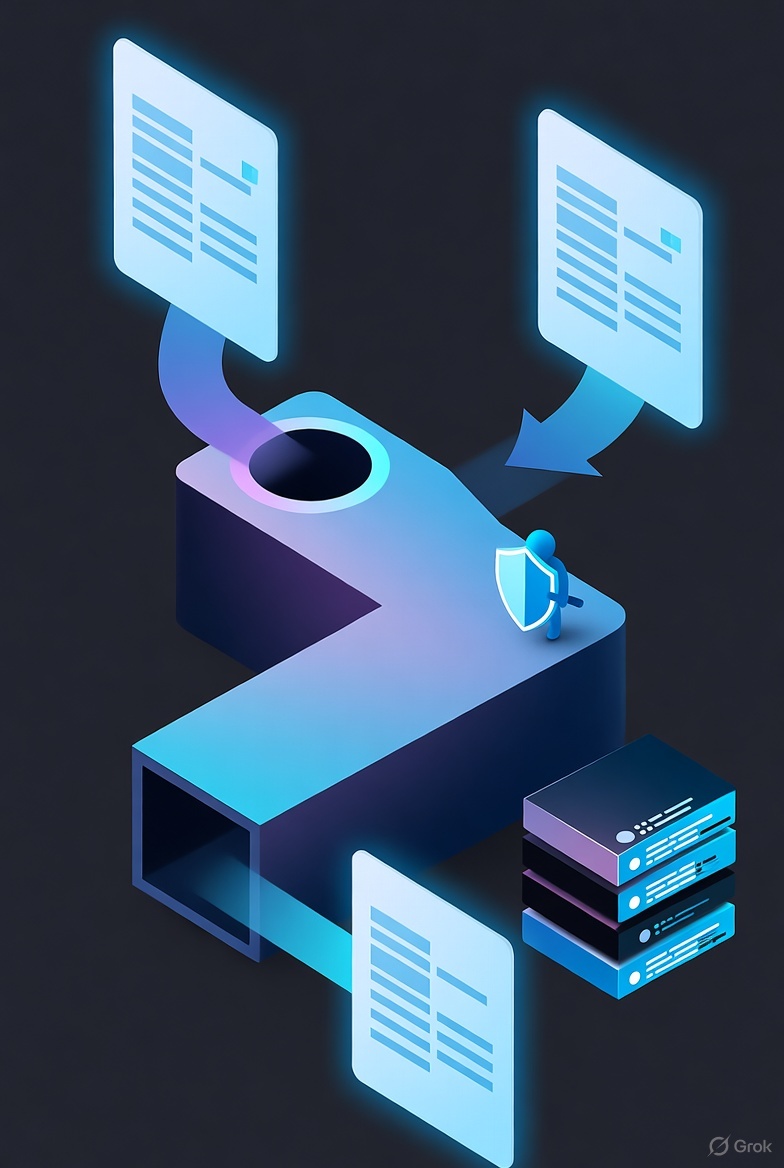
Elegant, Structured Request Logging for OpenAPI-Driven Swift Servers
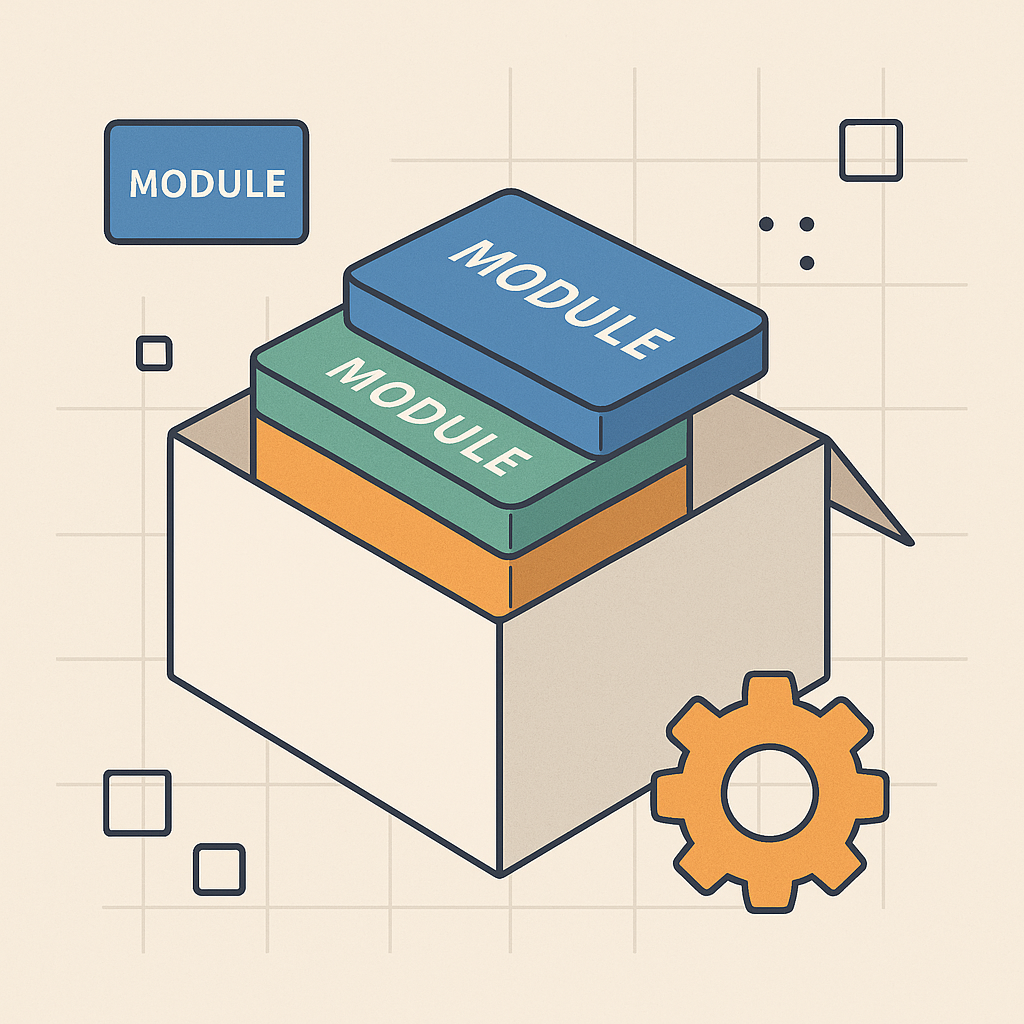
Example of Extreme Packaging in Swift

A Swift package for building and rendering CVs in multiple formats
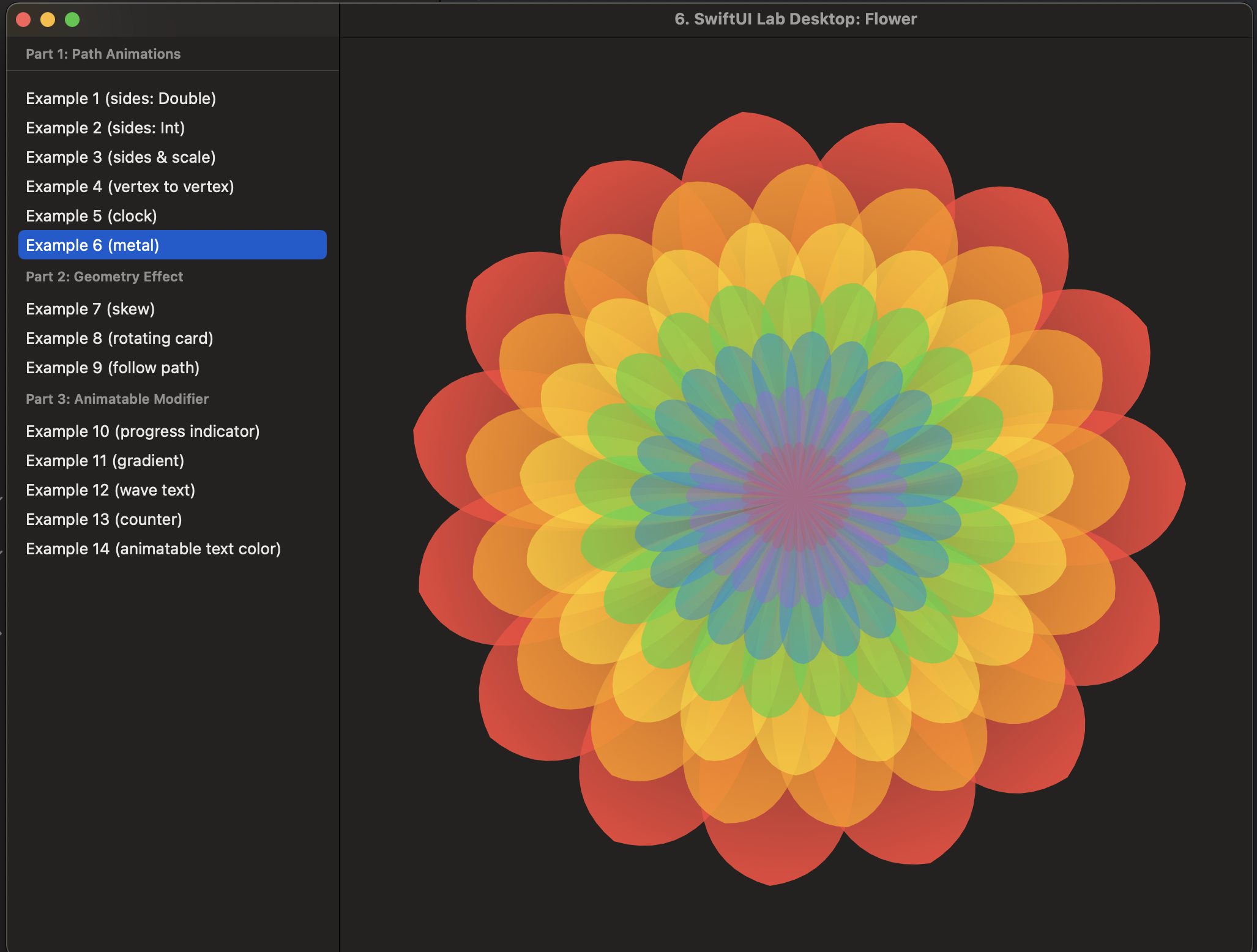
A port of SwiftUILab's Advanced Animations that also supports macOS
Core Animation in 2.5D