A SwiftUI List looks like a SwiftUI thing. I looked underneath, on the Mac, an iPhone and an iPad, and what is running is a table view or a collection view from the platform, with SwiftUI's own cells and diffing on top. Here is what is there, what SwiftUI does with it, and what it costs.
UIKit and AppKit hand the render server a description of a motion and walk away. SwiftUI does not, and it does not behave the same on a Mac as on an iPhone. I measured both on a Mac, two simulators, a real iPhone and a real iPad.
SwiftUI modifiers compose in the same order as Core Graphics transforms, read from the other end, and offset snaps to the pixel grid so a later scale multiplies its rounding, measured by rendering eight modifier chains against closed-form matrix math
SwiftUI's iOS and macOS 3D is per-view projected 2D output composited by painter's order, with no shared-space depth-sorted hierarchy, and the APIs that would fix it are visionOS-only, proven with a rendered counterexample and four executable witnesses
How I prove a from-scratch SwiftUI engine is correct by holding it against real SwiftUI in 125 differential tests, with the actual code, the harness, the firewall, and the floating-point floor that makes agreement mean identical
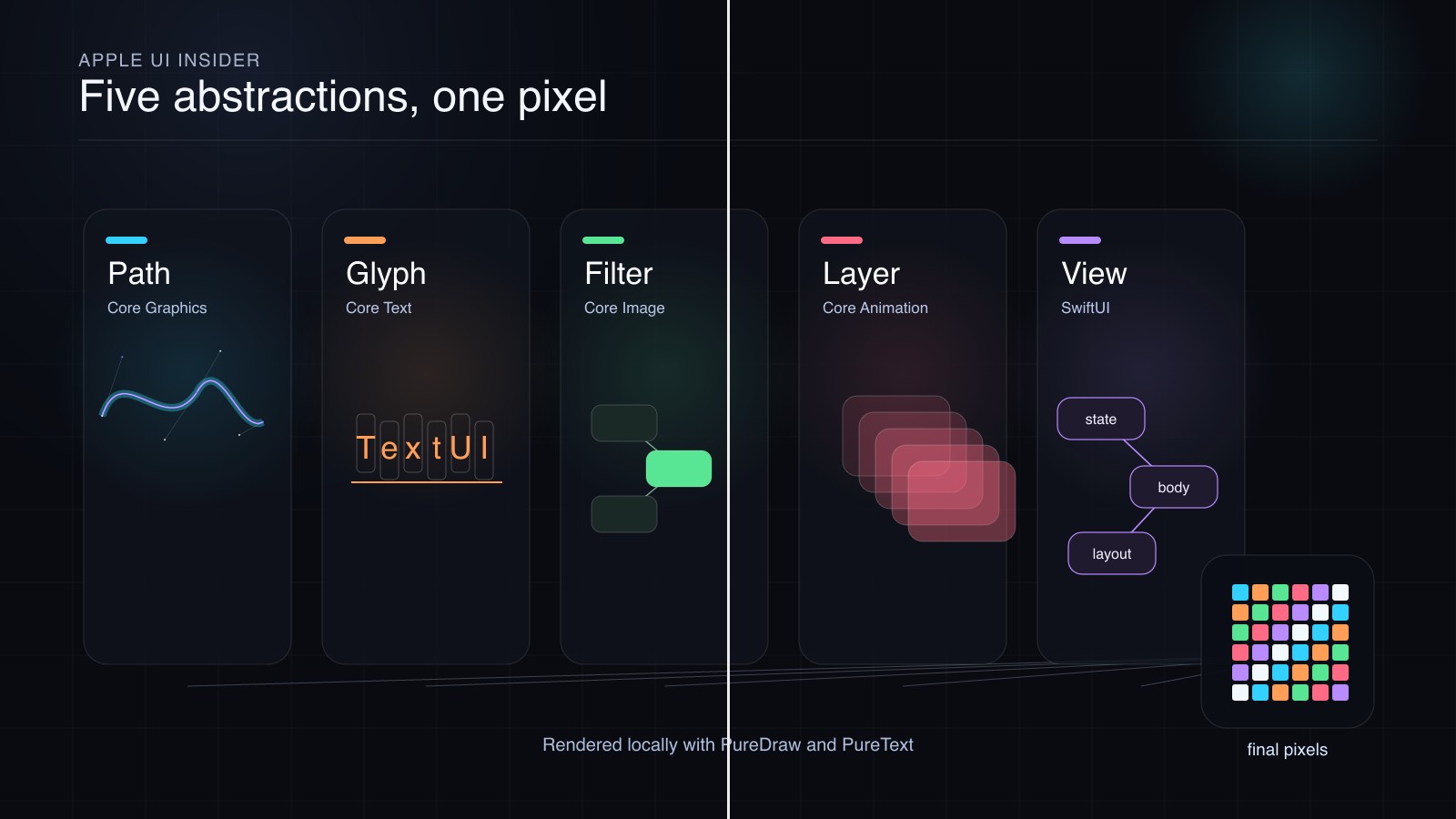
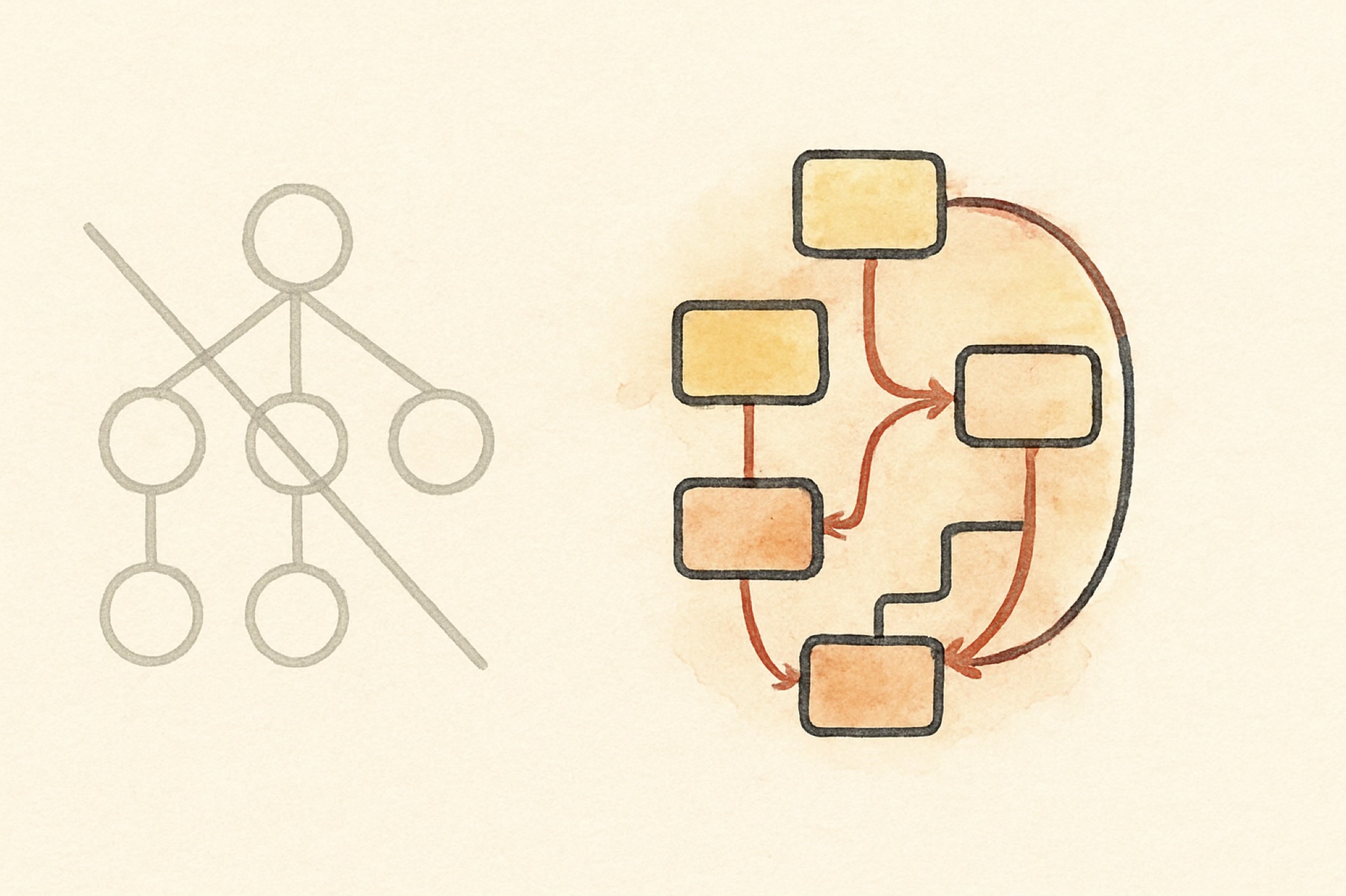
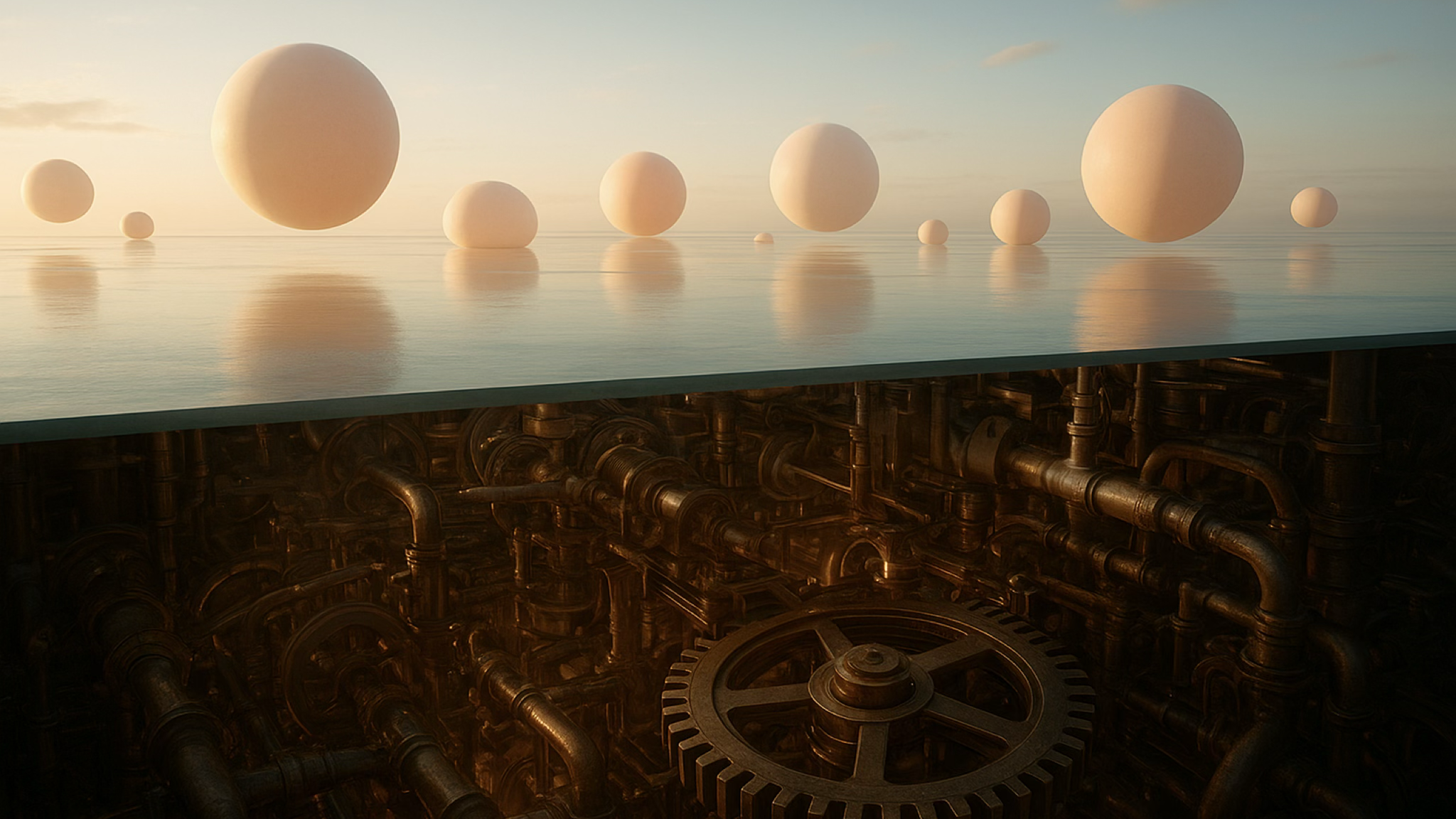
SwiftUI is the thin graph sitting above 40+ years of engineering. Measured against the real framework and read against Apple's own patent, it is a single demand-driven graph, and the least remarkable engine in the stack it rests on. Here is SwiftUI laid bare, with a hint of the far more interesting machines underneath.
The cynical read is that Apple kept the real tools and handed us toys. But the same engineer built Core Animation in 2007 and co-built SwiftUI in 2019, and that one fact says the opposite. On why the foundation never left, and the debt that comes due the day the abstraction breaks.